Dry lips: why they happen — and what helps
Published · updated
The skin on your lips is unlike any other skin on your body: thinner, with almost no sebaceous glands, and almost without a natural protective film. That is why lips lose moisture faster — and why they react so sensitively to cold, dry heated air and sun.
Why lips, of all places?
Sebaceous glands give normal skin a protective lipid film. On the lips they are almost entirely absent, and the outer skin layer is much thinner too. Moisture evaporates faster, and outside stress reaches the sensitive layers almost unfiltered.
On top of that, lips never get a break — talking, eating, drinking, weather. Few areas of skin are this exposed and this rarely protected.
The most common triggers
Dry air (outside in winter, inside from heating), wind, UV radiation, and licking your lips — which feels good for a moment but speeds up evaporation even more.
Habits matter as well: if you breathe through your mouth a lot or drink too little, you often notice it on your lips first.
What a good routine looks like
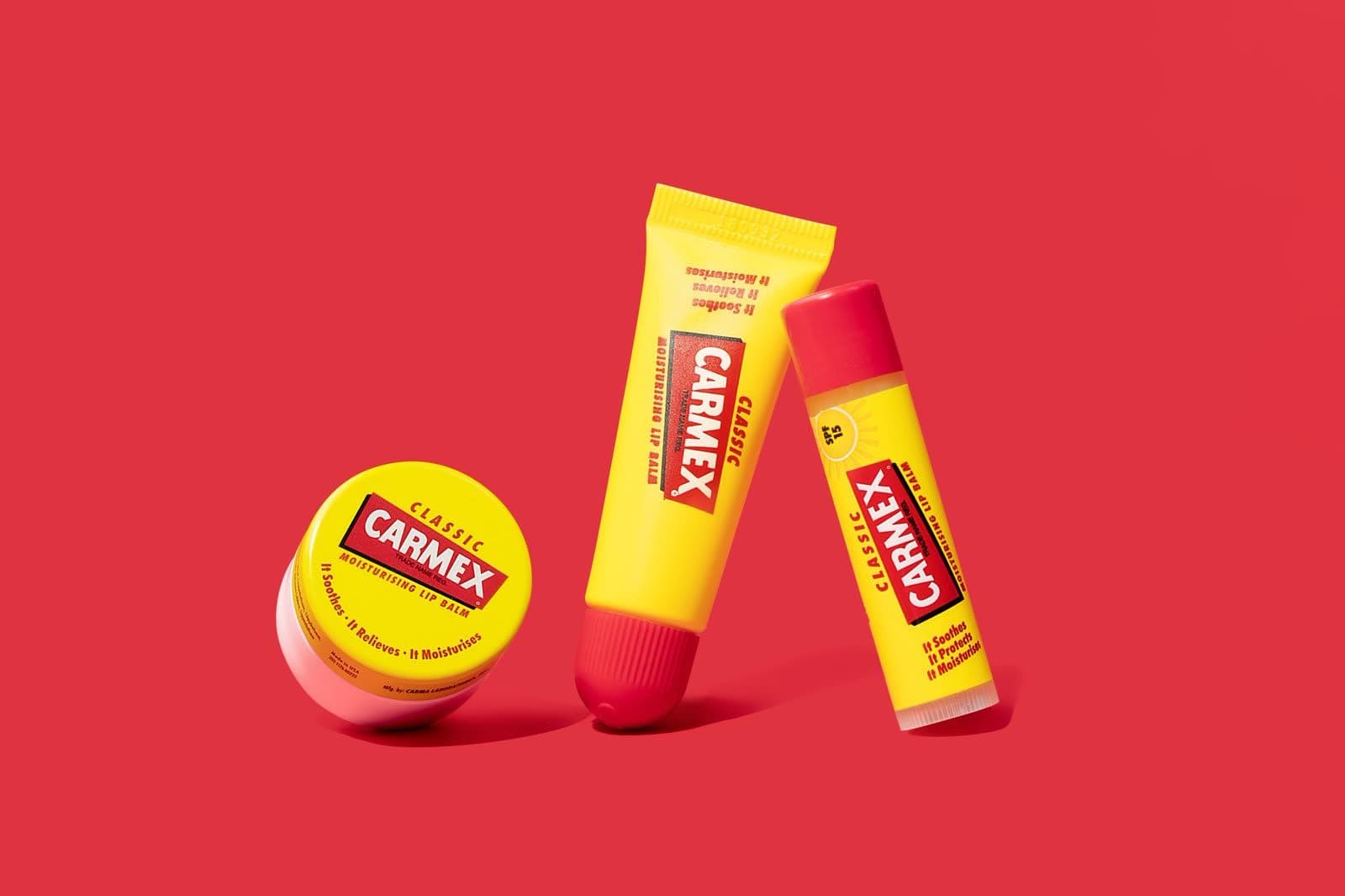
Consistency beats quantity. A lip balm, applied thinly several times a day, is the simplest routine there is — especially before heading out and before sleep.
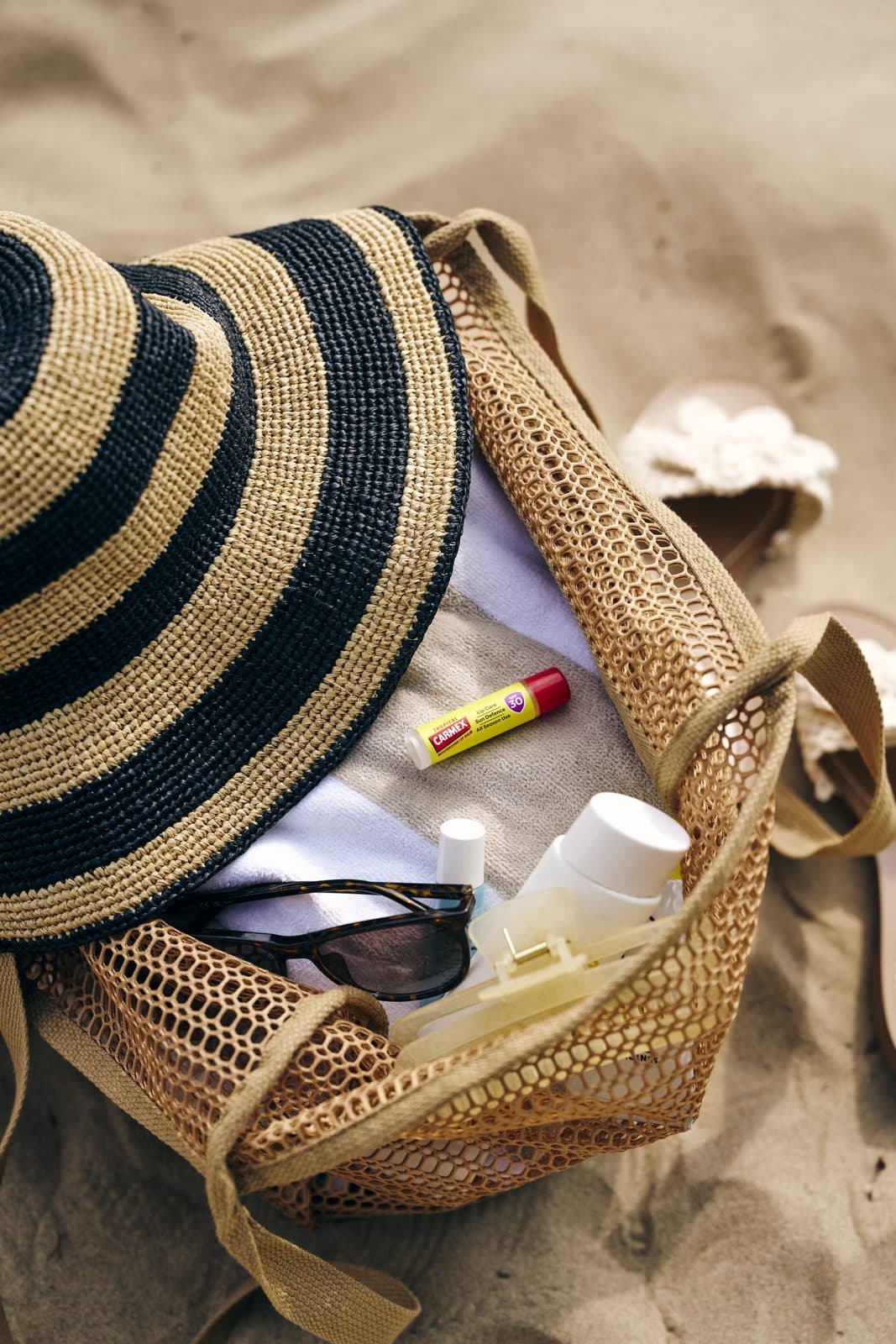
Skip the lip-licking, drink enough water, and in strong sun choose a lip care product with UV protection.